

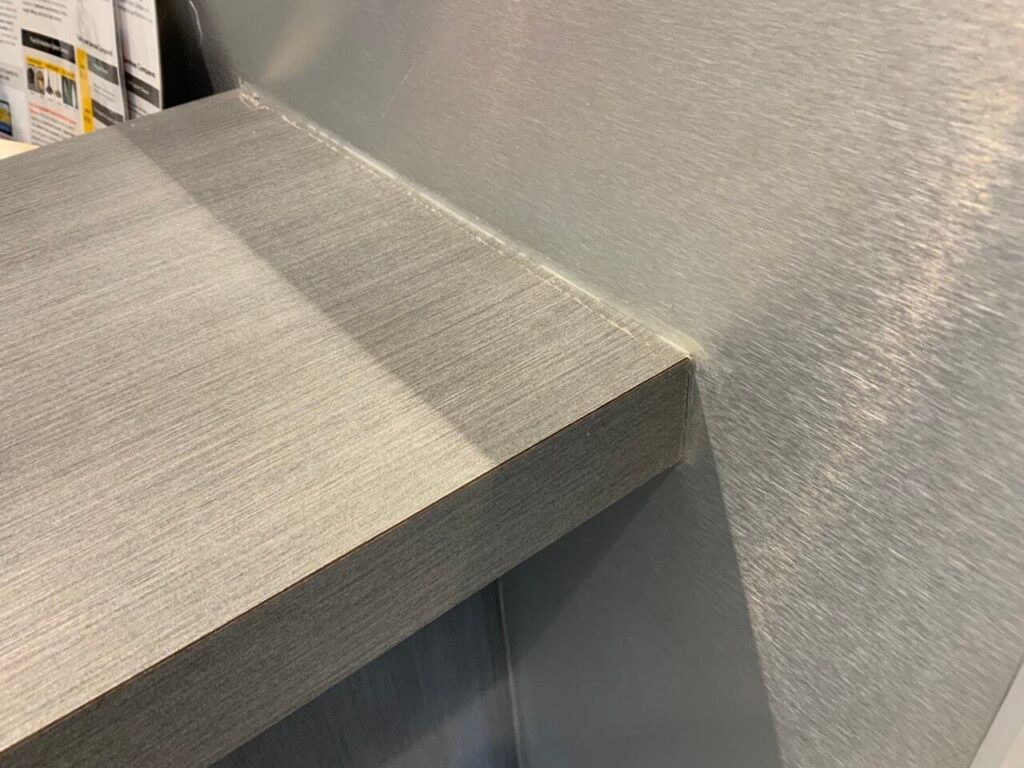
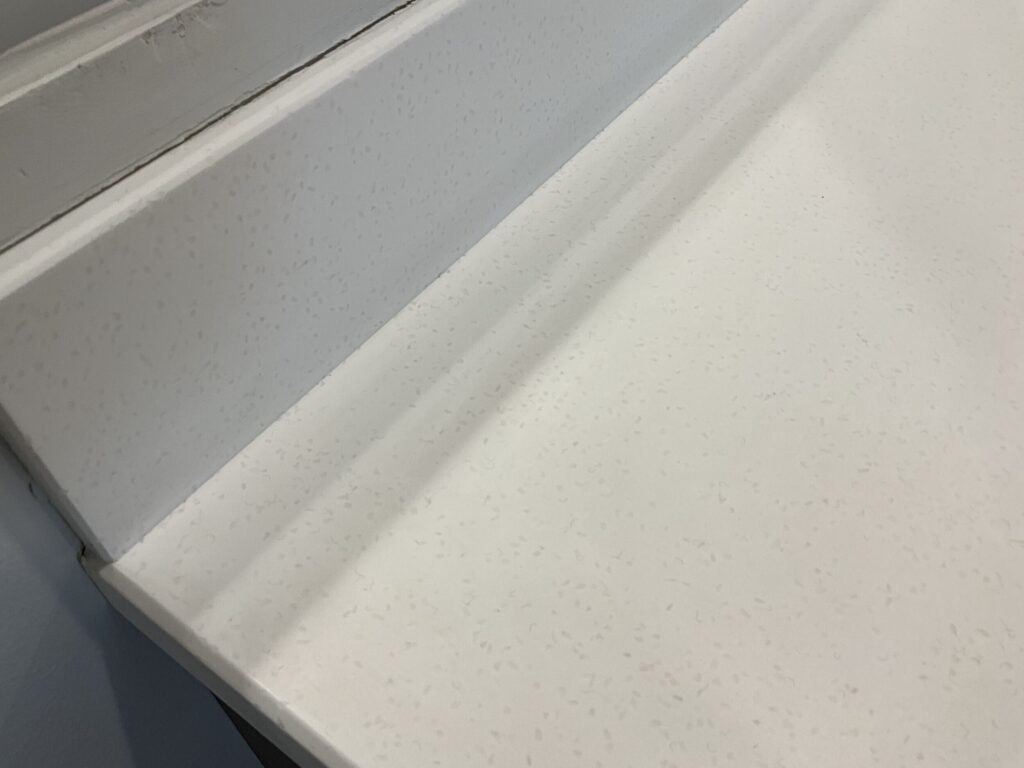
There are many reasons why we are writing this blog about how caulking has quietly replaced craftsmanship. None of them are really good reasons. The reality is that we’re seeing it all too often. On almost every project we’re sad to say. There was a time when a finished job meant a proud handshake and fit and finish to a 16th of an inch or tighter. Today too many trades are perfectly fine with covering up unacceptable work with big beads of caulk. A cheap fix that’s sadly become the poster child for declining industry standards.
How did we get here?
Speed, Cost and a Lack of Craftspeople
The old saying “Good, Fast, and Cheap – Pick two” resonates loudly on this point.
Speed – Thinking back a couple decades its easy to remember the pace of business was slower. The mailman delivered the mail, and a phone sat on the desk. Business took a bit longer to conduct. The same can be said about construction. Trades were full of craftsman who took pride in their work and took the time needed to do things right. “Measure twice, cut once”.
Today its emails, texts and video conferencing. If you don’t get a response on a text in moments, you’re wondering what the delay is. The same seems to be happening in construction. How many times have you driven past a construction site and said to yourself. “Wow that building has gone up fast!”. Certainly evolving technology in construction has allowed for shortened build schedules. That said, there is always pressure on General Contractors to get the job done. Companies even offering performance bonuses to GCs to beat their timeline.
Rushing to cross the finish line means quality will always be sacrificed. Final fit and finish are where schedules are almost always tightest. Delays in the project at the beginning, for whatever reason, results in the GC pushing at the other end of the project to meet the schedule promised to the client. All because no one wants to have a conversation with the client to tell them they won’t be able to move in for another couple of weeks. So, the GC pushes the trades who are building out the interior to hurry up and just get it done. As a result acceptable fit and finish becomes “it’s good enough” If things don’t fit just right because drywall isn’t perfectly straight, or pieces of millwork weren’t measured exactly correctly – a healthy bead of caulk will cover up the shortcoming.
Cost – “Demand quality, but be willing to pay for it.” There’s a reason people flock to the Swedish furniture store for furniture. They are willing accept build-it-yourself pieces made of particle board, over quality furniture made by craftsman of non-engineered wood. Why? Price. The Blörken Hürgen table you buy today most certainly won’t be around to pass to the next generation.
Building or renovating a dealership facility is a decades long investment. The materials that go into the construction and build out of the facility need to be built to a standard to withstand the thousands of customers who will come through the facility on a yearly basis. It still needs to look fresh and new years after completion. Achieving this comes at a cost. Vendors who deliver and install pieces such as glass offices, millwork, as well as storefront glass and aluminum framing have to be held to a high standard. These areas and items are the touch points for your staff and customers for years to come. It’s no secret that high quality pieces come at a cost. Be willing to make that investment. We see time and again when clients choose the least expensive option. Almost without fail the result is pieces delivered and installed with copious amounts of caulk to cover up or close gaps, or poor workmanship.
Low Skill Entry – Unfortunately this is a reflection of years of society looking down on trades as a viable path to a successful career. Trade schools are only now starting to see a resurgence in interest and enrollment, but many companies are still desperate for skilled tradespeople. Companies have to hire and train people on the job. The result is usually mediocre work by those who are learning, or who have learned short cuts. They are using caulk to achieve “good enough”. This isn’t something that you can control other than working with the General Contractor to confirm the company has a good reputation, has done good work in the past for the GC, and calling out poor workmanship when you see it.
What is the End Result?
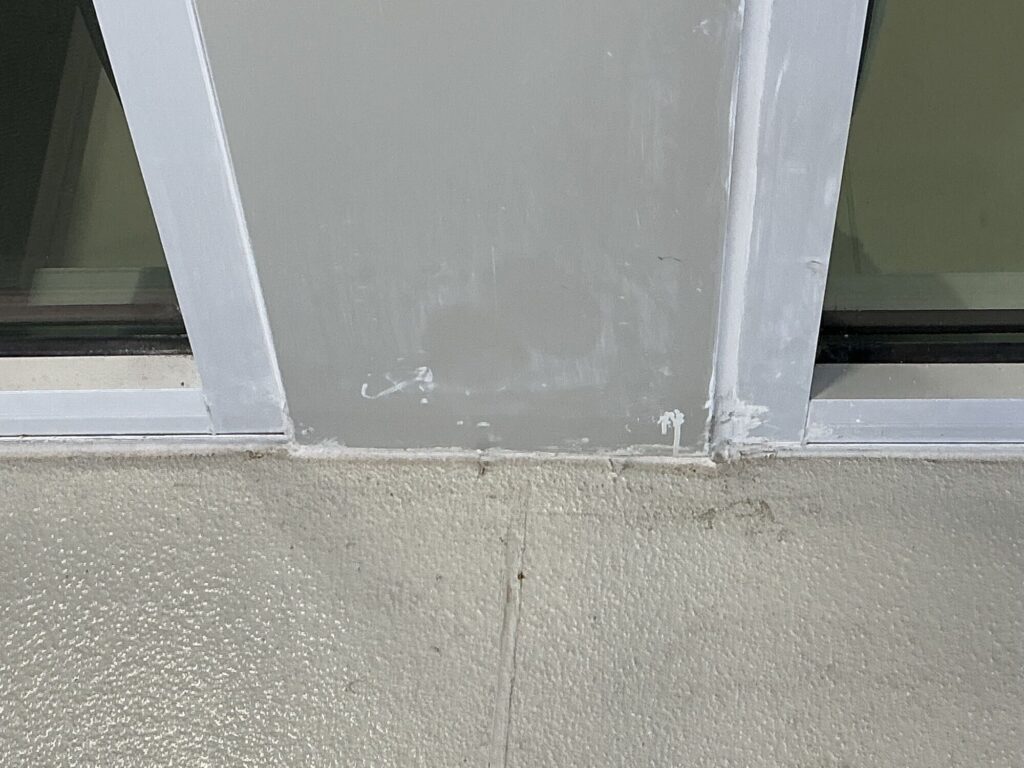
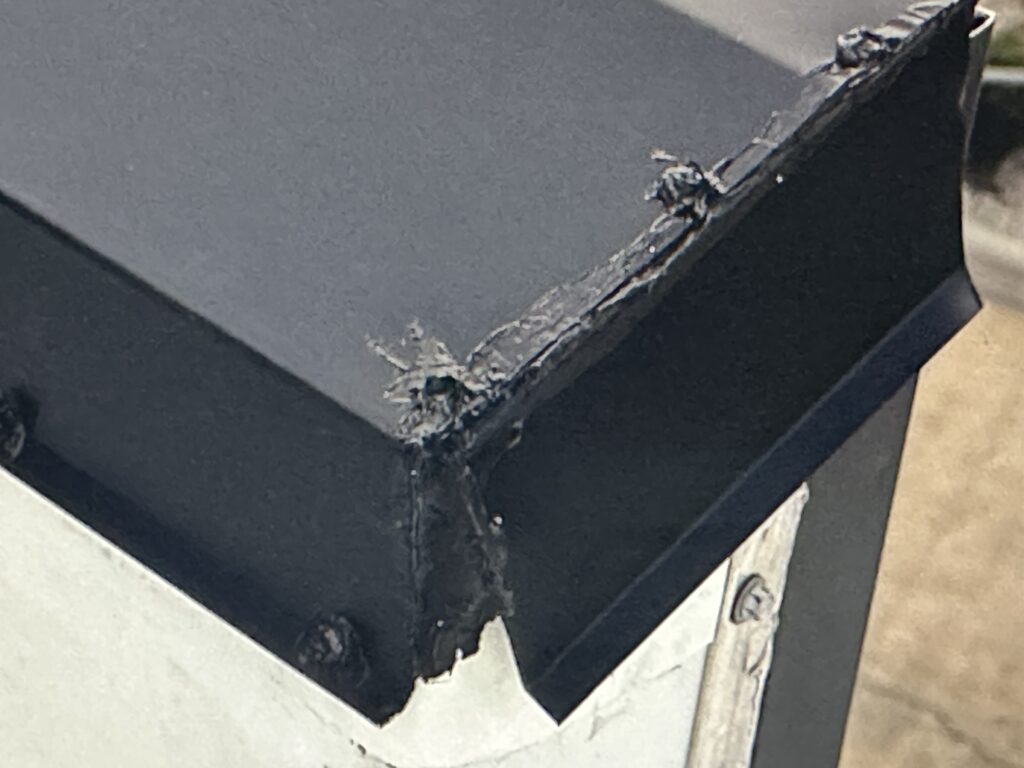
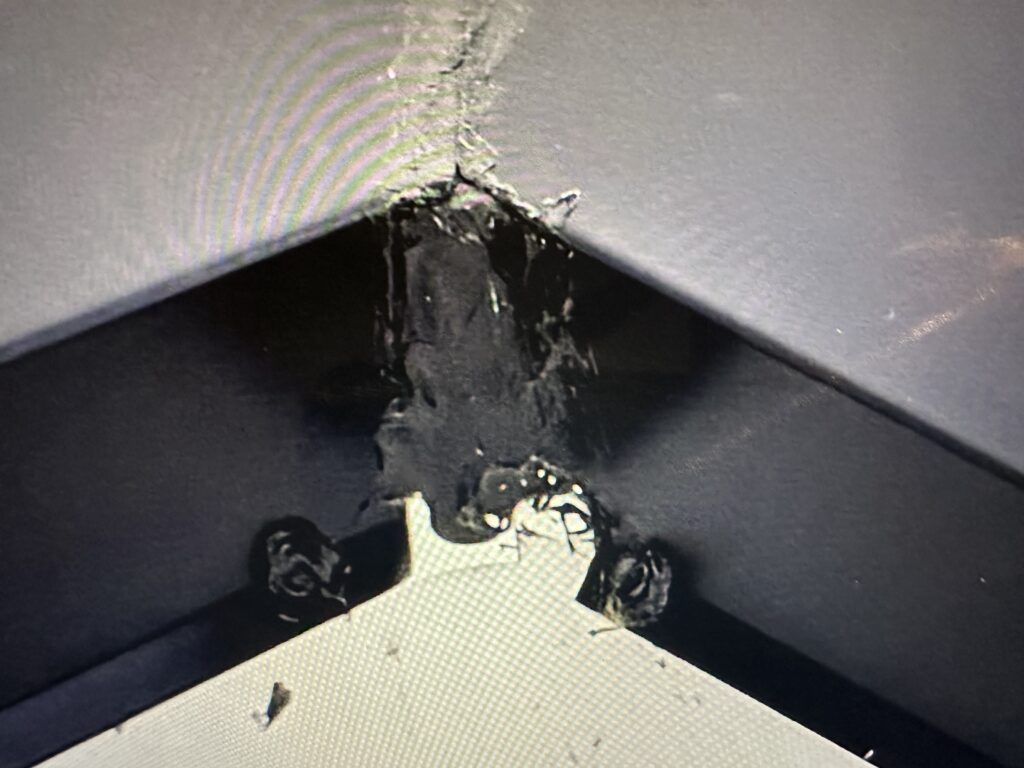
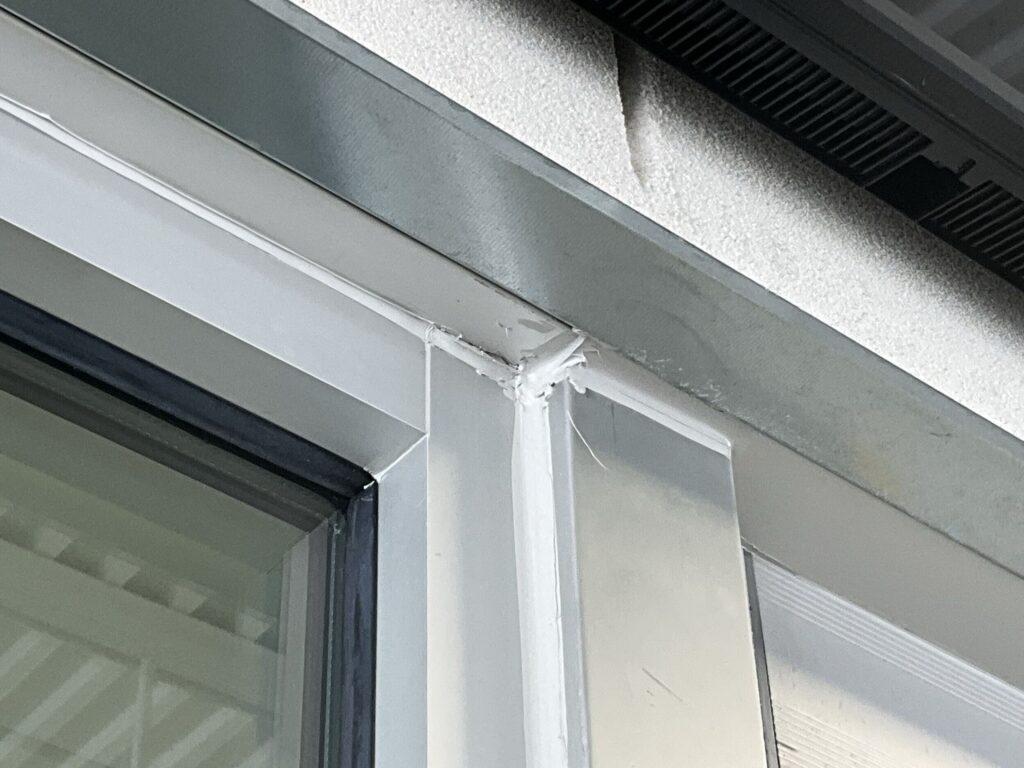
Caulking has quietly replaced craftsmanship. It hides bad work, it doesn’t fix it. Rather than correcting misaligned trim, poorly cut openings, or gaps in break metal trim, caulk conceals the errors. On the inside, it may not always noticeable when it’s freshly applied and clean. Over time caulk collects dirt and dust and ends up looking black and dirty. It goes from invisible to eyesore. More concerningly, on exterior areas where weather is being kept out, caulk can dry up and crack or breakdown with long exposure to the elements. This can lead to leaks, mold, and other associated damage to the facility.
How is it Addressed?
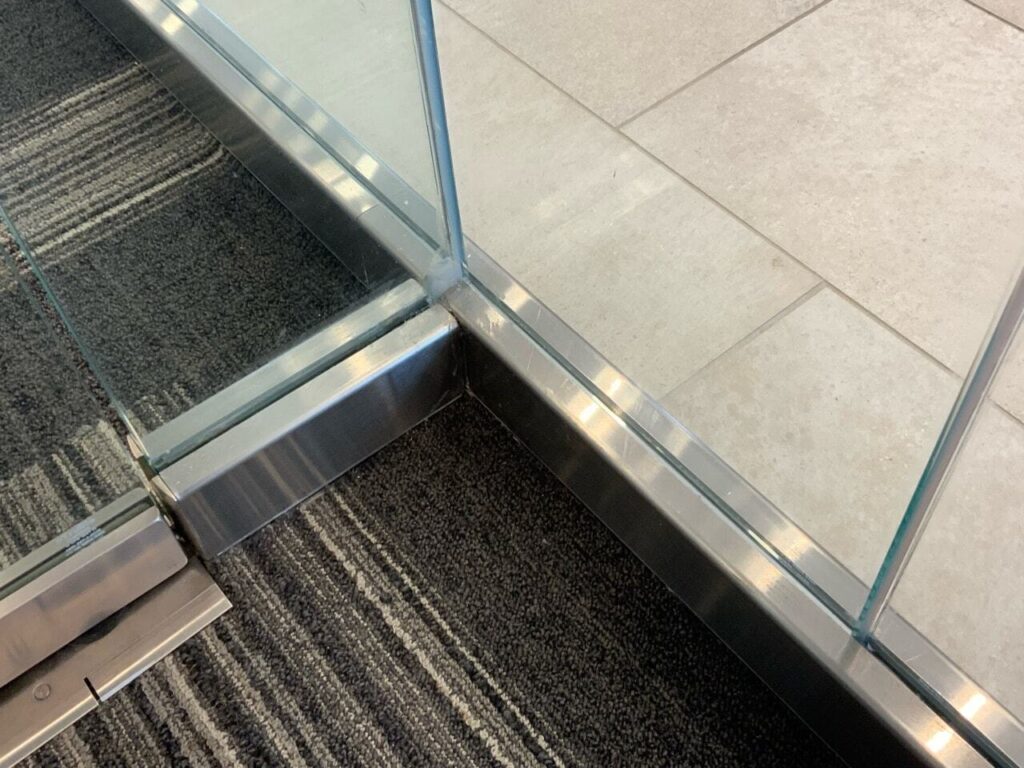
Certainly having a owner’s rep who is coming and doing site visits on a regular basis is important. They know what they’re looking for and what is acceptable and what’s not. They’re going to go up on the roof and inspect for poor workmanship, or evidence of using caulk to cover up mistakes or shortfalls. They’re going to look at the fit and finish of glass walls and storefront glass as well as millwork seams to see that fits are tight and only the bare minimum use of caulk is exhibited.
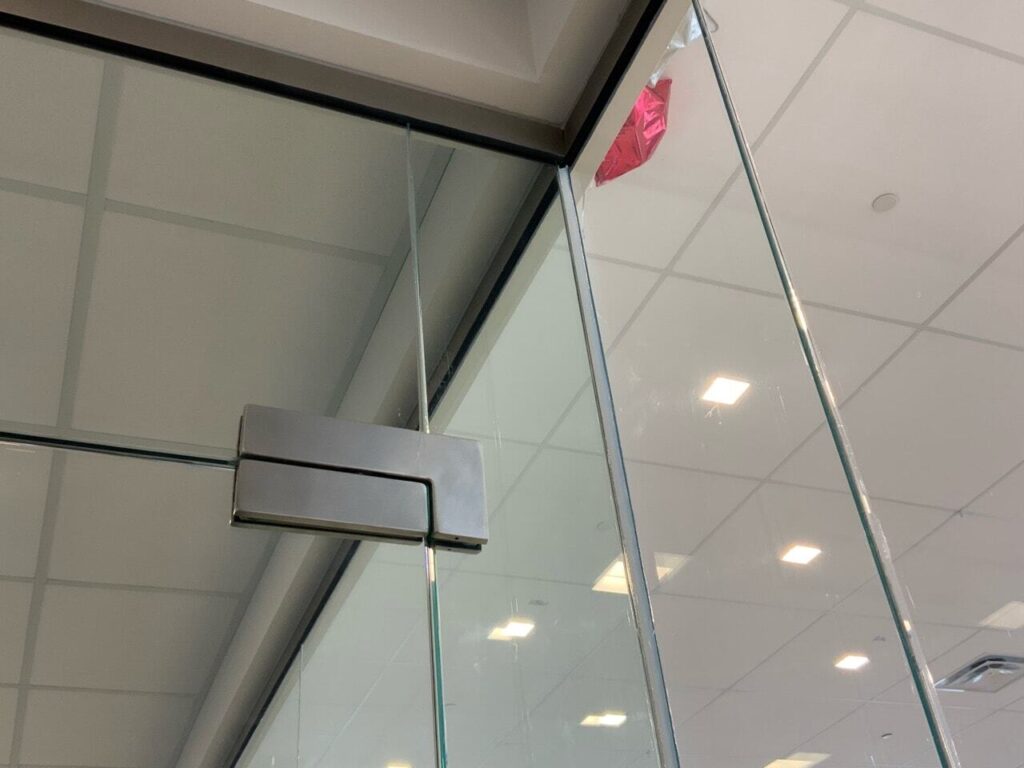
Be vigilant yourself. Look at the corners where glass meets structure both inside and outside. Look where interior glass walls meet drywall. If you look in these areas and think to yourself there seems to be more caulk than you’d normally expect. There likely is. Point these out to your owners rep and get their opinion. If you’re not using one, point it out to the General Contractor. Remember, if it looks wrong, It probably is.
Wrapping it Up
Caulk is a valuable material in construction. It has its role in various places around a construction project. The sad reality is that caulking has quietly replaced craftsmanship and become a crutch to cover substandard workmanship. It could be because of badly manufactured or mismeasured pieces. It could be because trades are under pressure to meet the GC’s timeline. Or sadly, it could be laziness on the part of the worker who doesn’t take pride in their work, or isnt willing to put in the time to do the work correctly. It really doesn’t matter what the reason. When it shows up in copious amounts on your project, it needs to be called out and corrected.